Wärtsilä Secures Contract to Supply 36 Dual-Fuel Engines for CMA CGM's New LNG Fleet
CMA CGM has placed orders with Wärtsilä for 36 dual-fuel engines to power 12 new 18,000 TEU container ships. The deal, finalized in early 2026, utilizes the proven Wärtsilä 34DF platform to support the operator’s transition toward lower-emission deep-sea operations through liquefied natural gas.
By The Shipping Chronicle · AI-assisted reporting and explanations
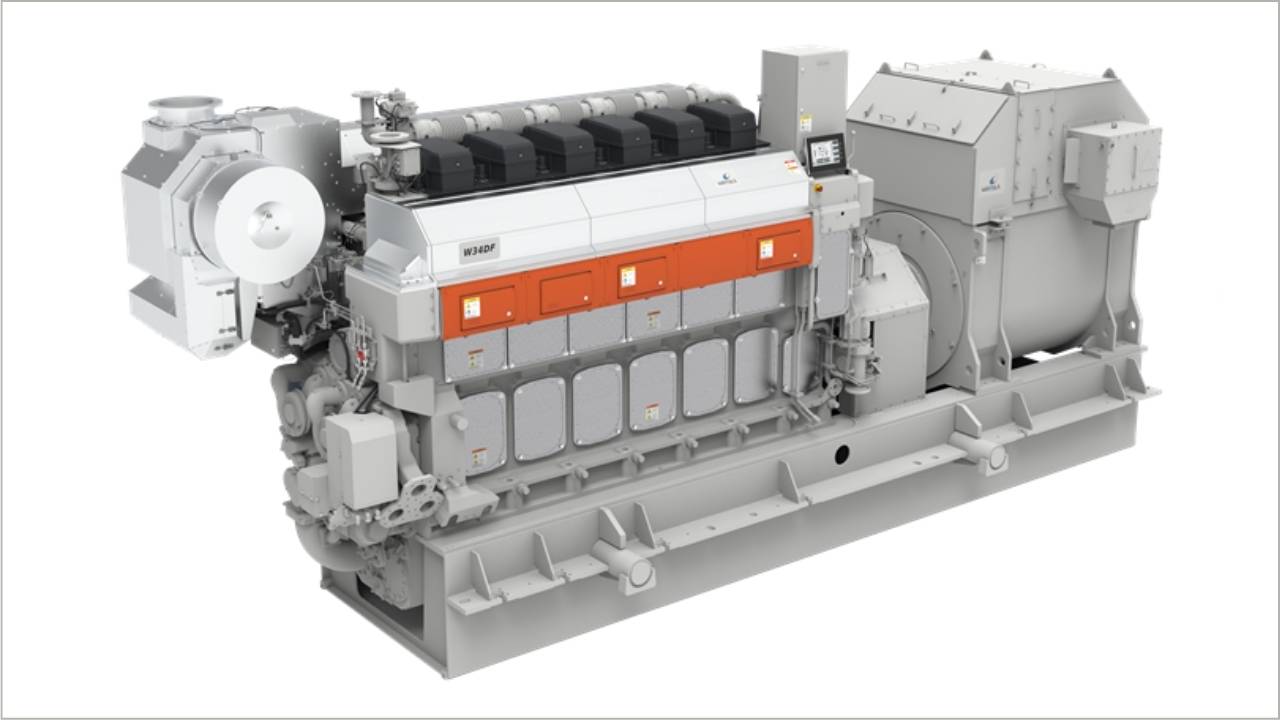
French container giant CMA CGM has solidified its strategy for modernizing its deep-sea fleet by signing a major supply agreement with technology group Wärtsilä. The contract involves the delivery of 36 Wärtsilä 34DF dual-fuel engines, designed to power 12 new ultra-large container vessels currently under construction at the Jiangnan Shipyard in China. These vessels, each with a capacity of approximately 18,000 TEU (twenty-foot equivalent units), will primarily operate on liquefied natural gas (LNG), marking a significant step in the company’s efforts to reduce the environmental footprint of its ocean-going operations.
The commercial terms and logistics of this transaction have already seen substantial movement. Wärtsilä confirmed that it booked the main engine orders for all twelve vessels during the first quarter of 2026. This initial phase was followed by specific procurement steps for auxiliary components; seals and bearings were ordered for the first four vessels in Q1 2026, with the remaining eight vessels’ component orders scheduled for booking in Q2 2026. The physical equipment, including the complete stern tube assemblies and line shaft bearings, is slated for delivery to the Chinese shipyard starting in 2027, aligning with the typical build timelines for vessels of this class.
The selection of the Wärtsilä 34DF engine platform represents a reliance on established technical performance rather than experimental technology. The 34DF is a medium-speed diesel engine capable of running on both traditional marine fuels and LNG, offering operators flexibility during transit and port calls. According to industry analysis, this dual-fuel capability allows large container vessels to achieve high fuel efficiency across varied load profiles. For deep-sea routes where emissions regulations are tightening and fuel costs remain volatile, the ability to switch to or optimize for LNG can yield meaningful reductions in carbon output and operational expenditures over the vessel's lifecycle.
## Fleet Order Overview
The scale of this order positions it as one of the more definitive fleet expansion moves for CMA CGM in recent years. By committing to twelve 18,000 TEU ships, the operator is targeting high-density trade lanes between Asia and Europe or North America, where economies of scale are critical for profitability. The decision to build these vessels at Jiangnan Shipyard underscores the continued dominance of Chinese yards in constructing mega-container ships, leveraging established infrastructure to handle complex hull designs.
From a supply chain perspective, the split booking of components demonstrates a staged approach to manufacturing. By securing core engines early in Q1 2026, Wärtsilä ensures production slots within its facilities, likely in Finland or other European hubs before export. The subsequent booking of seals and bearings later in the year allows for just-in-time delivery planning, reducing storage requirements at the shipyard and ensuring that the complex mechanical interfaces are available when hull integration begins.
## Engine Specifications & Efficiency
At the heart of this partnership is the technical reputation of the Wärtsilä 34DF. Unlike some newer proprietary systems that require entirely new maintenance protocols and crew training, the 34DF benefits from two decades of continuous refinement. It delivers strong thermal efficiency, which directly translates to lower fuel consumption per TEU carried. For LNG operation, the engine utilizes a pilot ignition system where a small amount of diesel fuel ignites the LNG mixture, allowing for stable combustion even at low loads—a common scenario in container shipping when maneuvering in ports or waiting for berths.
The ancillary equipment included in this contract is equally vital. Wärtsilä will supply its Airguard® seal system, an environment-friendly stern tube bearing solution designed to prevent oil leakage into the sea while maintaining lubrication for the propeller shaft. This addresses growing regulatory pressures regarding pollution-free tightness in marine propulsion systems. The combination of the engine and the bearing/seal system offers a holistic view of efficiency, covering both the power generation and transmission aspects of the vessel’s propulsion plant.
## CMA CGM Environmental Strategy
For CMA CGM, the move to LNG-powered ships is part of a broader decarbonization roadmap. While hydrogen and ammonia remain long-term targets for the industry, LNG offers a near-term practical reduction in sulfur oxide and particulate matter emissions, along with significant cuts in carbon dioxide compared to heavy fuel oil. The operator’s commitment to this fuel type signals confidence in the maturity of the global LNG bunkering network, which now covers most major international ports.
Xavier Leclercq, Vice-President for Newbuilding at CMA CGM, emphasized the strategic alignment of this purchase. In statements accompanying the announcement, he noted that the company’s positive experience with existing 34DF engines informed their decision. The reliability and emission levels observed in current operations provided the data necessary to justify scaling up this technology for newbuilds. This pragmatic approach reduces the risk associated with new fleet introductions, as the technology is not being tested de novo but rather deployed at scale based on historical performance.
## Supplier Track Record
Wärtsilä enters this contract with a formidable portfolio of installed base units. CMA CGM already operates more than 160 Wärtsilä 34DF engines across its various vessels. This extensive in-service track record provides the supplier with a competitive advantage in terms of after-sales service, spare parts availability, and technical support expertise. Stefan Nysjö, Vice President of Power Supply at Wärtsilä Marine, highlighted that customers increasingly seek solutions that balance fuel efficiency with reduced emissions using alternative fuels. The 34DF, backed by broad fleet experience, meets these criteria effectively.
As regulatory frameworks continue to evolve, with initiatives like the EU Emissions Trading System and IMO’s greenhouse gas reduction strategies imposing stricter limits, the economic case for efficient engines becomes stronger. High fuel efficiency not only lowers direct operating costs but also mitigates exposure to future carbon pricing mechanisms. By locking in contracts for high-efficiency engines now, both CMA CGM and Wärtsilä are positioning themselves to navigate the upcoming decade of environmental compliance with greater financial resilience. The completion of this order will see the first of these new LNG container ships entering service by the end of the decade, reshaping the carrier’s green credentials in the premium transoceanic market.